Kidney disease and food: the basics every family should know
Diet for kidney patients is very individual. What is good for one kidney patient can be harmful for another. Here are the basics.
 Dr. Mohib UllahClinical Nutritionist & Dietitian2 min read
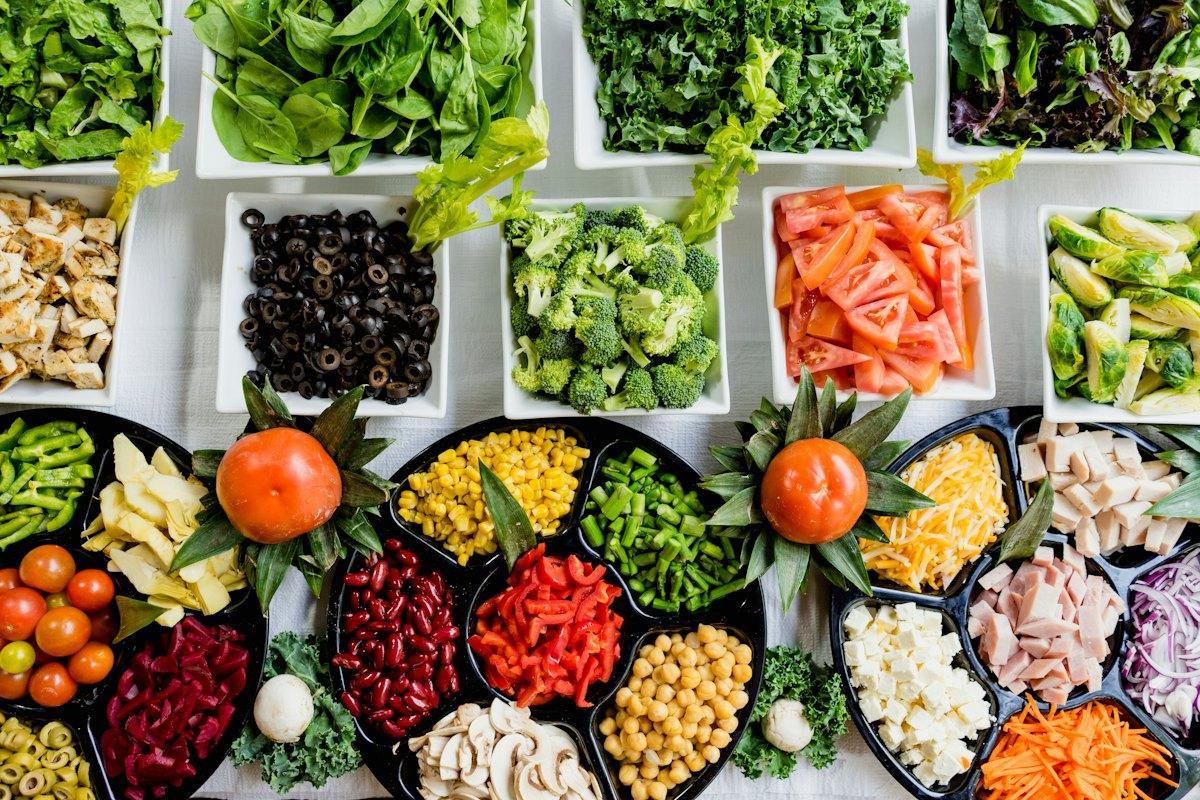
Chronic kidney disease is increasing in Pakistan, often linked with diabetes and high blood pressure. When the kidneys are not working well, waste and minerals build up in the blood, and food choices start to matter a lot.
One important point first. Kidney diets are very individual. The right plan depends on your stage of kidney disease, whether you are on dialysis, and your lab results. Please do not copy a plan from another patient.
Protein
In earlier stages of kidney disease, many patients are advised to eat a controlled amount of protein so the kidneys are not overworked. Once a patient is on dialysis, protein needs usually go up, because dialysis removes protein from the body. This is why general advice can be dangerous.
Potassium
High potassium in the blood can affect the heart. Foods high in potassium include bananas, potatoes, tomatoes, oranges, dried fruits and some daals. Some patients need to limit them, others do not. Your blood report tells us which group you are in.
A useful trick for potatoes and some vegetables is to peel, cut small and soak or boil them in a lot of water, then throw that water away. This can reduce some of the potassium.
Phosphorus
Cold drinks, processed meats, packaged snacks and some dairy products are high in phosphorus. High phosphorus over time can weaken bones. Reducing processed and packaged foods helps.
Salt and fluid
Most kidney patients need to limit salt. Some, especially on dialysis, also need to limit how much water and liquid they drink in a day.
What families can do
- Bring all recent lab reports to every visit
- Cook the patient's food with less salt
- Avoid herbal or "kidney cleanse" remedies without asking the doctor
- Keep a simple food diary for a few days before the consultation
With the right plan, many kidney patients feel better and can slow the progression of their disease. A renal diet should always be made with your reports in hand.
Want a plan made for you?
Consult Dr. Mohib Ullah at Sehat Nutrition Care, Ibn-e-Sina Hospital, Alamdar Road, Quetta. Call or WhatsApp +92 371 2296426.
This article is for general education and does not replace personal medical advice. If you have a medical condition or take regular medicines, please consult your doctor or dietitian before making major changes to your diet.
Keep reading
All articles Weight Loss
/2 min read
How to lose weight without giving up roti
Most people think roti is the reason they cannot lose weight. Usually it is the number of rotis, the ghee on top and what sits next to it in the salan.
Read article Diabetes
/2 min read
A simple diabetes meal plan using everyday Pakistani food
You do not need special imported foods to control blood sugar. Daal, sabzi, eggs and roti can work very well if you know the portions and timing.
Read article Healthy Eating
/2 min read
Winter in Quetta: eating habits that quietly add weight
Cold evenings, heaters, dry fruit and endless cups of chai. Quetta winters are lovely, but many people gain three to five kilos without noticing.
Read article