Ramadan with diabetes: sehri and iftar tips
Many people with diabetes want to fast. With the right planning and medical advice, many can do so more safely.
 Dr. Mohib UllahClinical Nutritionist & Dietitian2 min read
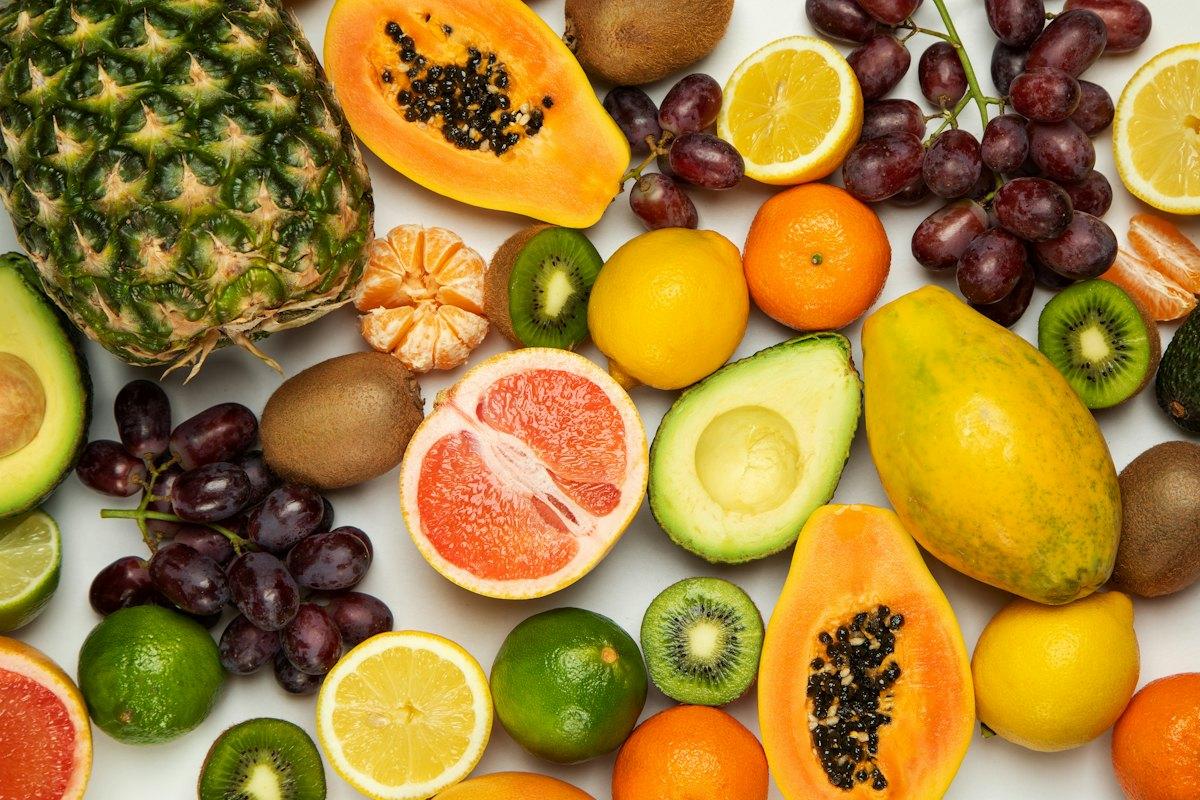
For many Muslims with diabetes, fasting in Ramadan is very important. With proper planning, many people with well controlled type 2 diabetes can fast. But it needs preparation, and some people are advised not to fast at all for medical reasons.
Please speak to your doctor before Ramadan. Your medicine doses and timing may need to change.
Sehri: do not skip it
Sehri is the meal that carries you through the day. Eat it as close to the end of sehri time as possible.
- Whole wheat roti or paratha made with less oil
- Eggs, daal or yogurt for protein
- A little fruit
- Plenty of water
Avoid very salty foods at sehri, as they make you thirsty during the day.
Iftar: start gently
- Open the fast with one or two dates and water
- Pray, then have a balanced meal rather than a table full of fried items
- Limit pakoras, samosas and jalebi
- Avoid sugary sherbets and cold drinks
Between iftar and sehri
Drink water regularly. Have a light snack if needed, such as fruit, yogurt or a handful of nuts.
Check your sugar
Checking blood sugar does not break the fast. Check during the day, especially if you feel unwell.
Following common medical guidance, you should break your fast immediately if:
- Your sugar falls below 70 mg/dL
- Your sugar rises above 300 mg/dL
- You feel shaky, confused, sweaty or faint
After Ramadan
Eid sweets after a month of fasting can cause big sugar spikes. Ease back into normal meals.
With the right plan, many patients go through Ramadan safely. A consultation before Ramadan can help you plan your sehri and iftar around your medicines.
Want a plan made for you?
Consult Dr. Mohib Ullah at Sehat Nutrition Care, Ibn-e-Sina Hospital, Alamdar Road, Quetta. Call or WhatsApp +92 371 2296426.
This article is for general education and does not replace personal medical advice. If you have a medical condition or take regular medicines, please consult your doctor or dietitian before making major changes to your diet.
Keep reading
All articles Diabetes
/2 min read
A simple diabetes meal plan using everyday Pakistani food
You do not need special imported foods to control blood sugar. Daal, sabzi, eggs and roti can work very well if you know the portions and timing.
Read article Diabetes
/2 min read
HbA1c, fasting sugar and lipids: reading your lab report before your diet consult
Lab reports can look confusing. Here is a simple explanation of the numbers that matter most for your diet plan.
Read article Weight Loss
/2 min read
How to lose weight without giving up roti
Most people think roti is the reason they cannot lose weight. Usually it is the number of rotis, the ghee on top and what sits next to it in the salan.
Read article